TRT Clinic in San Diego: What Men Over 40 Need to Know

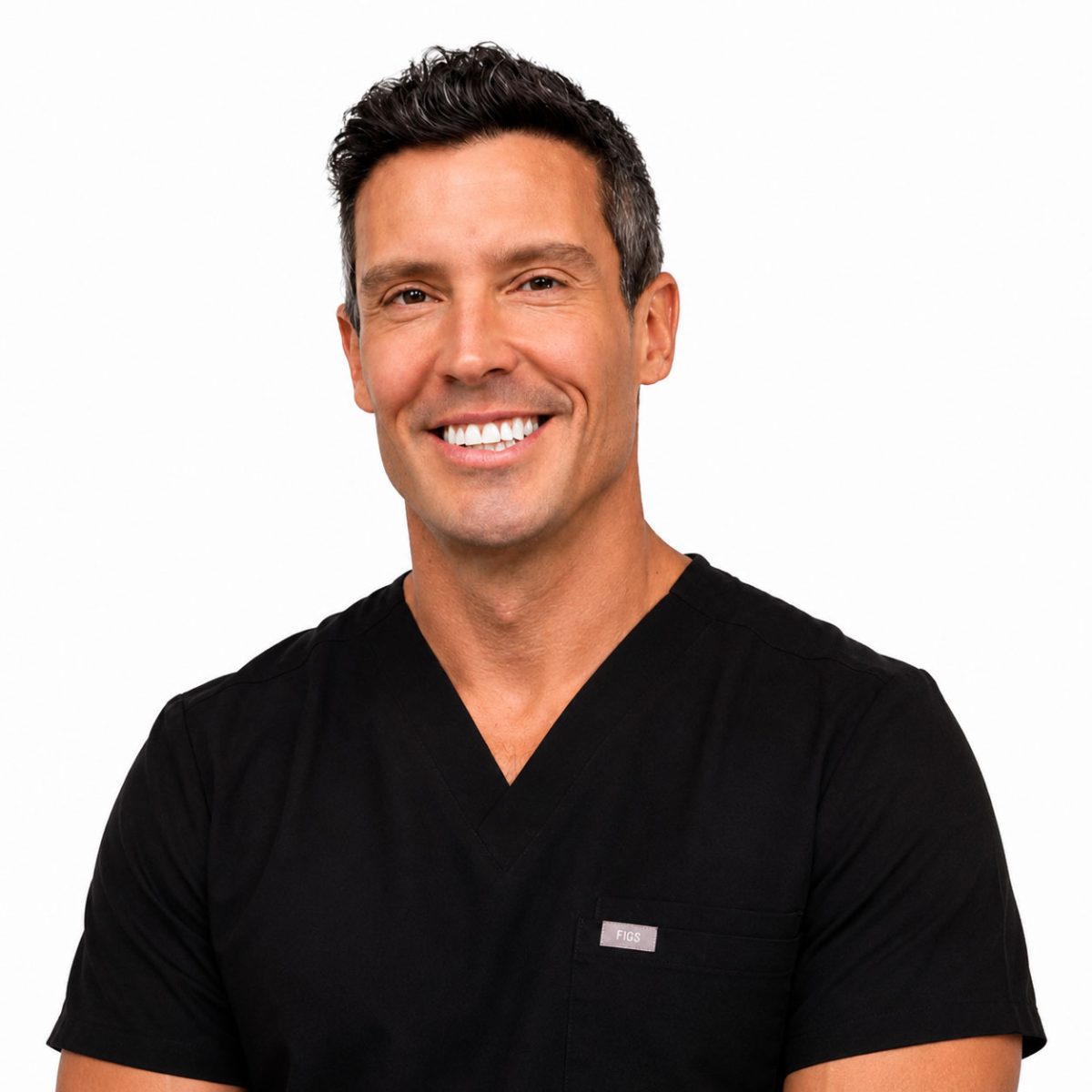

For many men, the conversation about testosterone starts quietly. Energy dips. Workouts stop paying off the way they used to. Sleep gets lighter, waistlines thicker, motivation flatter. Libido changes, sometimes gradually, sometimes enough to strain a relationship. By 40, plenty of men can point to at least one of those changes. By the late 40s or 50s, some start wondering whether low testosterone is part of the picture.
That question deserves more than a sales pitch.
A good TRT clinic in San Diego should not treat testosterone like a shortcut, a vanity drug, or a cure-all. The right clinic should help determine whether testosterone replacement therapy is medically appropriate, whether something else is causing the symptoms, and whether the likely benefits outweigh the risks in your specific case. That distinction matters because many of the symptoms men blame on “low T” can also come from poor sleep, excess body fat, alcohol, medications, chronic stress, depression, thyroid problems, insulin resistance, or untreated sleep apnea.
Men over 40 are often balancing careers, family demands, less recovery time, and creeping metabolic issues. Hormones do matter, but context matters just as much. If you are searching for a trt clinic San Diego residents trust, you need a clear picture of how this process should work before you ever agree to treatment.
Why men over 40 start looking into TRT
Testosterone levels naturally change with age, but there is no universal line where every man starts to feel poorly. One 45-year-old may function well with levels that leave another man drained and foggy. Symptoms matter, lab values matter, and so does overall health.
In practice, the men who seek treatment often describe the same cluster of issues. They are not recovering from exercise the way they used to. They feel mentally dull by midafternoon. Their interest in sex has dropped enough to notice. They are gaining fat around the abdomen despite eating more or less the same way. Some feel flat and irritable. Others do not feel sad exactly, but they no longer feel sharp, driven, or fully themselves.
The trouble is that none of those symptoms prove low testosterone on their own. I have seen men assume they needed TRT when the real issue was severe sleep apnea, five hours of sleep a night, regular drinking, or medications that affected mood and libido. I have also seen the reverse, men who spent years blaming age and stress when they had clearly low testosterone and improved substantially once properly trt clinic San Diego treated and monitored.
That is why the first visit matters so much. A serious clinic begins by asking better questions, not by trying to close a sale.
What a proper evaluation should look like
A credible clinic should take a full medical history, not just ask whether you feel tired. That history usually includes symptoms, medications, past testosterone use, sleep quality, alcohol intake, fertility goals, exercise habits, cardiovascular history, and family history of prostate issues or blood clotting disorders. Men are often surprised by how many everyday factors can influence testosterone levels and treatment safety.
The lab work should also be thoughtful. Testosterone is not something to diagnose from a single random blood draw taken late in the day. Most clinicians want morning labs, often repeated, because testosterone fluctuates. Total testosterone is part of the picture, but it is rarely the whole picture. Depending on the case, a clinic may also look at free testosterone, sex hormone binding globulin, estradiol, luteinizing hormone, follicle-stimulating hormone, complete blood count, comprehensive metabolic markers, thyroid function, PSA where appropriate, and sometimes prolactin.
Those extra labs are not overkill. They help answer basic questions. Is the problem actually low testosterone, or is total testosterone borderline while free testosterone is adequate? Is this primary hypogonadism, where the testes are the issue, or secondary hypogonadism, where the signaling from the brain may be involved? Is there an untreated thyroid problem, anemia, or glucose issue driving symptoms? Is there already a tendency toward elevated hematocrit that could become a problem on TRT?
A clinic that skips this step is not saving you time. It is increasing the odds of treating the wrong problem.
Not every low number needs treatment
This is where judgment matters. Some men have testosterone levels that are technically low or borderline, but their symptoms are mild and their reversible risk factors are obvious. A 42-year-old with poor sleep, central weight gain, heavy weekend drinking, and untreated sleep apnea may raise testosterone naturally, sometimes meaningfully, by fixing those issues first.
Weight loss can improve testosterone. Resistance training helps. Better sleep helps. Reducing alcohol helps. Treating sleep apnea can make a major difference in energy, mood, and sexual function, even before testosterone enters the conversation. None of that means TRT is wrong. It means smart medicine distinguishes between what should be corrected first and what still needs treatment after the basics are addressed.
A careful San Diego clinic should also discuss expectations honestly. TRT is not a fat-loss program. It is not a guaranteed fix for erectile dysfunction. It is not a substitute for disciplined sleep, nutrition, movement, and stress control. Men who do best on TRT usually use it as one part of a broader health plan, not the entire plan.
What treatment can realistically improve
When TRT is prescribed appropriately, many men notice meaningful changes. Energy often improves first. Libido may recover. Mental clarity and sense of drive can return. Training recovery may improve, and body composition often becomes easier to manage, especially when treatment is paired with better habits. Some men describe the effect not as a dramatic jolt, but as feeling more normal again, more like their baseline from ten or fifteen years earlier.
The timeline varies. A man may notice sexual interest or better mood within weeks, while changes in body composition or strength usually take longer. It is also common for one symptom to improve much more than another. For example, a patient may regain trt clinic San Diego energy and motivation but still need separate evaluation for erectile dysfunction, which can also involve vascular disease, diabetes, medication effects, anxiety, or relationship issues.
That last point matters because some clinics oversell TRT as if testosterone explains every male health complaint. It does not. If a clinic sounds too certain, be careful.
The forms of TRT and how they differ
Most men are familiar with injections, but they are not the only option. Some clinics offer topical gels or creams, and some offer pellets or other delivery methods. Each route has trade-offs.
Injections are common because they are usually reliable and often cost-effective. Depending on the protocol, they may be given once or twice weekly, sometimes more frequently in smaller doses to reduce peaks and troughs. Men who are sensitive to hormonal swings often feel better on steadier dosing rather than large, widely spaced injections.
Topical therapy avoids needles, but absorption can vary. There is also the practical issue of transfer to a partner or child through skin contact if precautions are not followed carefully. Pellets appeal to men who want less frequent dosing, but they are less flexible when adjustments are needed and involve a minor procedure.
A good clinician will not push one method for everyone. He or she will match the delivery system to your goals, your tolerance for self-injection, your travel schedule, your symptom pattern, and how stable your levels need to be.
Side effects and risks deserve a real discussion
TRT is not inherently reckless, but it is also not casual medicine. One of the most common concerns is hematocrit, the proportion of red blood cells in your blood. Testosterone can raise it. In some men that rise is manageable. In others it becomes significant enough to require dose changes, closer monitoring, or other interventions. Ignoring hematocrit is poor practice.
Estradiol also needs context. Some clinics overreact to it, some ignore it entirely. Men need a clinician who understands symptoms, lab interpretation, and the fact that not every elevated number requires aggressive suppression. Overcorrecting estradiol can make men feel worse, not better.
There are also prostate considerations, cardiovascular considerations, acne, fluid retention, and the very practical issue of fertility. This last one is often missed. TRT can suppress sperm production. If you may want children, even if not immediately, that has to be part of the treatment conversation from the beginning. I have seen men in their 40s assume fertility no longer mattered, then change course after a new relationship or family decision. Once on TRT, recovery of sperm production is possible for many men, but it is not something to treat lightly.
Here are five issues worth discussing before starting therapy:
- Whether you still want fertility, now or later.
- How often labs will be checked in the first year.
- What the clinic does if hematocrit rises too high.
- Which symptoms they expect TRT to help, and which may need separate treatment.
- How your treatment plan changes if you travel, miss doses, or do not tolerate the first protocol.
If a clinic cannot answer those questions clearly, keep looking.
How to judge a TRT clinic in San Diego
San Diego has no shortage of health and wellness businesses. That can be a benefit, but it also means men need to distinguish between serious hormone care and sleek marketing. A professional clinic should feel medical, not transactional. You should not feel rushed toward a subscription plan before anyone has interpreted your labs in the context of your symptoms and history.
The best clinics are usually transparent about their process. They explain how they diagnose, what they monitor, how follow-up works, and what happens if the first protocol needs adjustment. They talk about sleep, body composition, blood pressure, and cardiovascular risk right alongside testosterone. They are willing to say, “You are not a candidate right now,” if your symptoms are better explained by another issue.
In a city like San Diego, lifestyle can complicate the picture in ways that are easy to miss. Men who surf, cycle, lift, train hard, or work long outdoor hours often assume fatigue is simply the cost of an active life. Others work demanding desk jobs, commute, and under-recover without realizing how much sleep debt is affecting hormones. The climate and culture support fitness, which is a good thing, but they can also mask poor recovery and overtraining. A man can look healthy on the outside and still have a hormone issue. He can also look like a candidate for TRT when the real problem is chronic stress and inadequate sleep.
That is why the best clinics ask about your real week, not your ideal one.
What follow-up should include
Starting TRT is not the end of the process. It is the beginning of monitoring and adjustment. Men often assume that once treatment starts, the dose is set and results should be immediate. In reality, there is usually a period of calibration. Symptoms, labs, dosing frequency, and side effects all need review.
A clinic that prescribes testosterone and then leaves you alone for six months is not doing this well. Early follow-up helps catch problems while they are small. It also prevents the common pattern of men feeling slightly better, then plateauing, then wondering whether treatment “stopped working” when the real issue is dose timing, lifestyle drift, or an unaddressed secondary problem.
Good follow-up should include how you actually feel, not just numbers on a page. If the labs look respectable but libido is still poor, sleep is fragmented, and energy remains low, the clinician should not simply insist that the treatment is working because the total testosterone level improved. Medicine is not that mechanical. Sometimes the answer is protocol adjustment. Sometimes it is identifying another issue that TRT cannot fix.
Cost, convenience, and the fine print
TRT costs vary widely. Some clinics bundle consultations, labs, medication, supplies, and follow-up into a monthly fee. Others bill components separately. Neither model is automatically better, but you should know exactly what is included. A low monthly rate can stop looking attractive once repeated lab work, injection supplies, and follow-up visits are billed on top of it.
Convenience matters too. Some men prefer in-clinic injections because they dislike needles or want supervision. Others want telemedicine follow-up and home administration because they travel or work unpredictable hours. There is no single right answer, but the system needs to be practical enough that you will stick with it. A plan that looks good on paper but does not fit your life tends to fail.
Watch for clinics that lock men into long contracts before treatment has even been proven helpful. That is not always a deal-breaker, but it should raise questions. You are not signing up for a luxury gym. You are entering medical treatment that should remain flexible.
Signs a clinic is more interested in revenue than care
The red flags are usually obvious once you know what to look for. Some clinics diagnose nearly everyone who walks through the door. Some use symptoms alone without proper lab confirmation. Some promise fat loss, muscle gain, and renewed sex drive with suspicious certainty. Others prescribe multiple add-on medications from day one, before there is any evidence you need them.
A clinic should be able to explain why they recommend treatment, why they chose a certain protocol, and what they are watching over time. If every patient seems to receive the same plan regardless of age, baseline labs, fertility goals, and symptom profile, that is assembly-line medicine.
Ask direct questions. A strong clinic will not be annoyed by them. In fact, the more thoughtful places tend to welcome informed patients because those patients follow treatment better and report symptoms more accurately.
Use this short screening list when choosing a trt clinic San Diego offers:
- They require proper labs, usually morning testing and often confirmation.
- They review sleep, weight, medications, and other non-hormonal causes of symptoms.
- They explain monitoring clearly, including hematocrit and fertility considerations.
- They tailor the protocol rather than giving everyone the same plan.
- They are willing to say no if TRT is not appropriate.
That simple filter eliminates a surprising number of options.
The fertility issue men often overlook
This deserves its own section because it is frequently minimized. Men in their 40s may assume fertility is no longer relevant, but life changes. Divorce happens. Remarriage happens. Men decide to have children later than expected. If there is any chance you may want biological children in the future, say it plainly at the first appointment.
TRT can reduce or shut down sperm production because external testosterone changes the hormonal signaling between the brain and testes. Some men can maintain or restore fertility with specific management strategies, but that should not be improvised halfway through treatment. It should be part of the design from the beginning.
A careful clinician will discuss the reproductive implications before writing the first prescription. If that topic never comes up, that is not a small oversight.
What men should expect emotionally
Most men focus on physical changes, but there is often an emotional side to this process. Hormone symptoms can chip away at confidence. Men may feel embarrassed discussing libido, fatigue, or mood changes. Some have spent years pushing through and quietly feeling less capable than they used to. By the time they seek care, many are frustrated not only by the symptoms but by how long they ignored them.
That emotional context matters because it shapes expectations. Men sometimes want TRT to deliver a sudden return to youth. It usually does not work that way. What good therapy often provides is steadier energy, improved drive, better sexual function, and a more workable baseline from which healthy habits start paying off again. For a lot of men, that is enough to feel like themselves.
The men who struggle most are often those chasing extremes, either expecting a dramatic transformation in two weeks or treating testosterone like a replacement for sleep, discipline, and cardiovascular fitness. The men who do best tend to approach it like any serious medical therapy, with patience, consistency, and a willingness to address the rest of their health.
The bottom line for men in San Diego
If you are over 40 and wondering whether TRT is worth exploring, the answer is simple: it may be, but only if the evaluation is careful and the treatment is individualized. A good TRT clinic in San Diego will not flatten this into a lifestyle purchase. It will treat it like what it is, a real medical decision with potential benefits, limitations, and responsibilities.
Look for a clinic that takes symptoms seriously without assuming testosterone is the answer to every problem. Look for one that confirms the diagnosis properly, explains treatment options in plain English, monitors you closely, and respects your long-term goals, including fertility and cardiovascular health. If the process feels rushed, vague, or overly polished, trust that instinct.
Done well, TRT can help the right patient substantially. Done casually, it can distract from the real issue or create new ones. Men over 40 do not need hype. They need competent care, honest expectations, and a clinic willing to practice medicine rather than marketing.
SDBody Mission Hills
1747 Hancock St Ste C, San Diego, CA 92101
+1 619-772-0252
FAQ About trt clinic San Diego
How much should my TRT cost?
Costs depend on the evaluation, medication, laboratory testing, and ongoing visits. Ask for an itemized estimate that includes follow-up monitoring. Contact SDBody Mission Hills for its current fees and confirm any insurance benefits with your insurer.
What is the downside to taking TRT?
Testosterone therapy can reduce sperm production and raise red blood cell levels. Other possible effects include acne and worsening of some existing health conditions. It requires an individualized assessment and ongoing monitoring. Discuss medical history, fertility goals, risks, and alternatives with a qualified clinician before considering treatment.
At What Age Do Most Men Need TRT in Mission Hills, CA?
There is no single age at which men need TRT. Age or fatigue alone does not establish testosterone deficiency. A clinician evaluates symptoms and medical history and generally confirms low testosterone with repeated early-morning blood tests before discussing whether treatment is appropriate.
Corrections
Spot something wrong? Send it to the desk and it gets fixed in the open.